Sources and trust

A documentary is only worth hearing if you can believe it. Here is how Undertold gets its facts, shows its work, and what it does when something is wrong. It also says plainly which parts are made by AI.

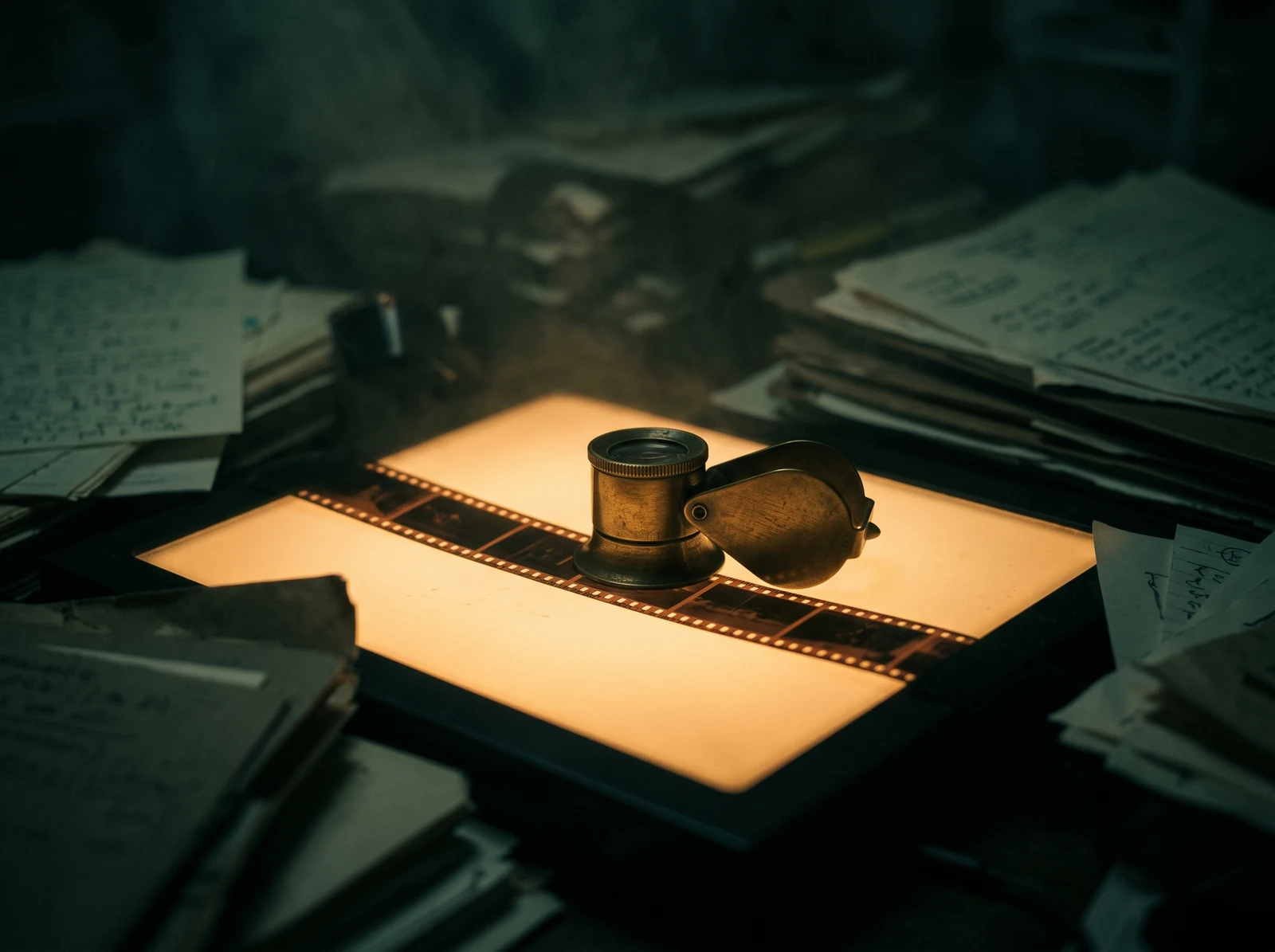
A strip of film on a lightbox among stacks of paper

Research comes before writing

Every episode starts with research, not a script. It searches for and reads real sources on your topic and builds a research brief: the chronology, the people, the numbers, the causes and consequences, and the points where sources disagree. It keeps the sources it actually used, with working links.

Only then is the proposal written, and only after you approve it is the script written. The script may only use what the research found. If a fact isn't in the research, it doesn't go in the episode.

Sources on every factual line

Each line of the script is tagged with the sources it rests on. In the player's read-along transcript those tags appear as small numbers. Tap one to see the source: its title, publisher, year, the kind of source it is (primary, secondary, reference or news) and a link.

Every episode also has a full source list, so you can read further or check our work.

NarratorThe lighthouse on Eilean Mòr was first lit in December 1899.1 A year later, its three keepers were gone.2

Verbatim quotes only

During research, quotes are collected only when they can be attributed to a source, word for word. The script can quote people only from that list. Nothing is paraphrased into quotation marks, and nothing is put in anyone's mouth.

Quotes are read by a different voice from the narrator, and the narration says who is speaking, so you always know the difference between our words and theirs. Even the true-story format, which is told like a drama, never invents dialogue.

Checks built into every production

We don't claim a human fact-checker reviews every episode before you hear it. What we do have are rules that every production follows, and a way for you to tell us when they fail:

  • Contested points are flagged during research. Disagreements between sources, uncertain claims and anything involving living people are noted before writing starts, and the script is told to handle them with care.
  • Disagreement is said out loud. If sources differ, the narration says so instead of choosing the more dramatic version.
  • No invented specifics. The house style forbids invented facts, numbers, dates and quotes.
  • Every line is traceable. Because each factual line carries its sources, any error can be found and checked against where it came from.
  • Reports are read. Every report from the player is logged against the exact line and time, and reviewed.

No process removes every error, which is why the last two matter as much as the first three.

AI transparency

Undertold is made with AI, and we'd rather you hear that from us. Narrators are synthetic voices. No episode is presented as the work of a human journalist or presenter.

What AI does

  • Research assistanceSearching for sources, reading them and drafting the research brief.
  • Writing and directionThe proposal, the chapter scripts and the delivery notes for each line.
  • VoicesThe narrator and the voices that read quotes are synthetic speech.
  • Music and ambienceThe theme, chapter cues and background sound are generated for each episode.
  • Cover artEpisode covers are generated images, not photographs of real events.
  • Answers to your questionsDrawn from the episode's sources, and marked when they go beyond them.

What is never invented

  • FactsEvery factual claim must come from the research, and carries its sources.
  • QuotesOnly verbatim, attributed quotes from a source, read in a distinct voice.
  • SourcesOnly sources that were actually found and read, with real links you can open.
  • People's words or viewsNo made-up dialogue, interviews or opinions attributed to real people.

Living people, and what we won't make

Stories that involve living people stick to documented facts. Allegations are reported as allegations, attributed to whoever made them, and nothing is speculated about private lives.

We don't produce content that is hateful, sexual, harassing or encourages harm, or that gives dangerous instructions. Our terms don't allow requests like that. Episodes about crimes, conflicts or tragedies are possible; they're told with the same care a broadcaster would take.

Report a problem

Every player has a Report a problem button. Choose what's wrong (a factual error, a problem with a source, an audio fault, inappropriate content, or something else) and add a note if you like. The report records the exact line and moment in the episode, so we can see precisely what you heard.

You can also write to hello@undertold.app.

Corrections

When a report shows an episode got something wrong, we fix the cause, not just the episode: a bad source is removed, a rule is tightened, and the affected Original is corrected or withdrawn.

For Undertold Originals, which anyone can play, corrections are noted on the episode. For an episode you made yourself, we'll tell you what was wrong and, where it makes sense, offer to produce it again without charging minutes.